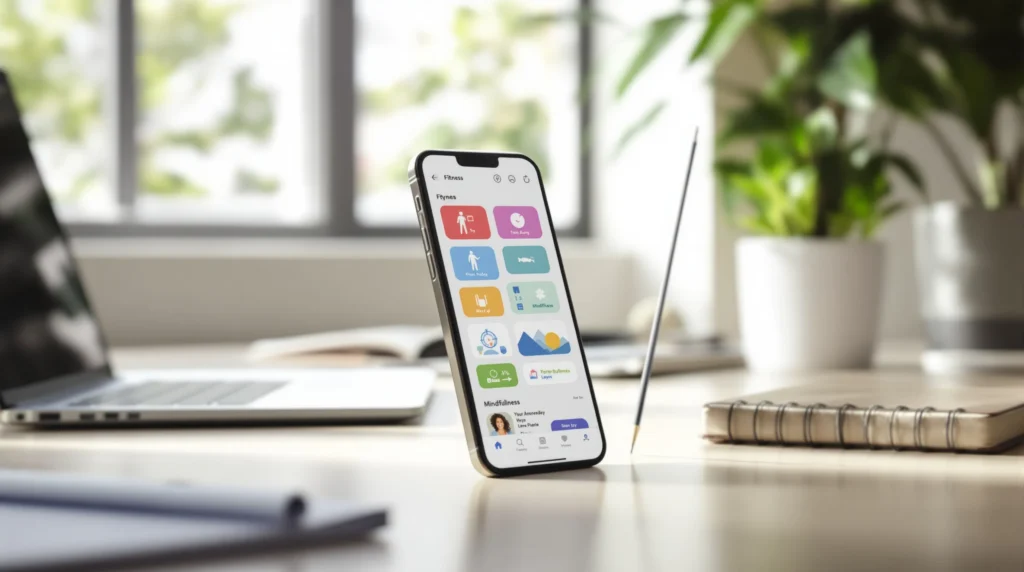
Picture this: It’s 7:03 a.m. Your alarm rings, but instead of fumbling for the snooze button, you swipe open an app that greets you with a gentle sunrise animation and a playlist that actually makes you want to get out of bed. You check your to-do list, see your breakfast recipe, and realize you’ve already meditated—all before your first cup of coffee. If that sounds like science fiction, you probably haven’t explored the world of lifestyle apps yet.
Why Lifestyle Apps Matter More Than Ever
If you’ve ever felt like your days blur together, you’re not alone. Between work, family, and the endless scroll of social media, it’s easy to lose track of what matters. Lifestyle apps promise to help you reclaim your time, energy, and even your sanity. But do they really deliver? Here’s why people swear by them—and why some folks swear at them.
The Stakes: Your Time, Your Mood, Your Life
Let’s be honest. Most of us have downloaded a lifestyle app or two, only to abandon them after a week. Maybe you tried a habit tracker that sent too many notifications, or a meal planner that made you feel guilty for eating pizza. The truth? The right lifestyle apps can make your days smoother, but the wrong ones can add stress. The trick is finding apps that fit your actual life, not your fantasy life.
What Are Lifestyle Apps, Really?
Lifestyle apps are digital tools designed to help you manage daily routines, build habits, and improve your well-being. They cover everything from fitness and nutrition to sleep, mindfulness, and even home organization. If you’ve ever used an app to track your water intake or remind you to call your mom, you’ve used a lifestyle app.
- Habit trackers: Help you build routines, like flossing or reading before bed
- Meal planners: Suggest recipes, create grocery lists, and track nutrition
- Fitness apps: Offer workouts, track steps, and monitor progress
- Mental health apps: Guide meditation, track moods, and offer coping tools
- Productivity apps: Organize tasks, set reminders, and block distractions
Here’s the part nobody tells you: You don’t need every lifestyle app under the sun. In fact, too many apps can make you feel busier, not better.
Who Should Use Lifestyle Apps?
If you love lists, reminders, and seeing your progress in colorful charts, lifestyle apps might feel like magic. They’re also great for people who want to build new habits, manage stress, or just remember to drink more water. But if you hate notifications or feel overwhelmed by digital clutter, you might want to stick to pen and paper—or use just one or two apps that really work for you.
Signs You’ll Love Lifestyle Apps
- You get a thrill from checking off tasks
- You want to track habits or moods over time
- You like trying new routines and seeing what sticks
- You need gentle nudges to stay on track
Signs You Might Not
- You feel anxious when your phone buzzes
- You prefer analog tools (hello, bullet journal fans)
- You get bored with apps after a week
Here’s why that matters: The best lifestyle apps fit your personality, not just your goals.
How to Choose the Right Lifestyle Apps
Let’s break it down. With thousands of lifestyle apps out there, how do you pick the ones that actually help? Start by asking yourself what you want to change. Is it your morning routine? Your eating habits? Your sleep? Then, look for apps that solve that specific problem—without adding a dozen new ones.
- Start small: Pick one area of your life to improve
- Read reviews: Look for honest feedback, not just five-star ratings
- Test drive: Try free versions before committing
- Check privacy: Make sure your data stays safe
- Watch for hidden costs: Some apps look free but charge for key features
If you’ve ever downloaded a “free” app only to get hit with a $9.99 monthly fee, you know the pain. Always check the fine print.
Top Lifestyle Apps That Actually Work
Ready for specifics? Here are a few lifestyle apps that real people use—and love. These aren’t just the most downloaded; they’re the ones that make a difference.
- Habitica: Turns your daily tasks into a role-playing game. If you’ve ever wished chores felt like leveling up, this one’s for you.
- Headspace: Makes meditation simple, even for skeptics. The guided sessions are short, friendly, and never preachy.
- MyFitnessPal: Tracks meals, calories, and exercise. The barcode scanner makes logging food weirdly satisfying.
- Todoist: Keeps your to-do list organized and your brain calm. The interface is clean, and the reminders are just pushy enough.
- Sleep Cycle: Wakes you up at the lightest part of your sleep. You’ll actually feel rested, not groggy.
Each of these lifestyle apps solves a real problem. They’re not about perfection—they’re about progress.
Lessons Learned: What Nobody Tells You About Lifestyle Apps
Here’s the truth: No app will fix your life overnight. I once tried to overhaul my entire routine with five new lifestyle apps at once. By day three, I was ignoring notifications and feeling guilty. The lesson? Start with one change. Celebrate small wins. If an app makes you feel worse, delete it. Your phone should help you, not boss you around.
Actionable Tips for Getting the Most from Lifestyle Apps
- Set clear, realistic goals before you download anything
- Turn off unnecessary notifications—protect your peace
- Review your progress weekly, not daily
- Share your wins with a friend for extra motivation
- Don’t be afraid to quit apps that don’t work for you
If you’ve ever felt like you’re failing because you missed a day, remember: progress isn’t linear. Lifestyle apps are tools, not judges.
What’s Next? Your Routine, Upgraded
Imagine waking up tomorrow with a routine that feels less like a grind and more like a playlist you actually enjoy. That’s the promise of the right lifestyle apps. They won’t do the work for you, but they can make the work feel lighter—and sometimes even fun. If you’re ready to try, start small. Pick one app, one habit, and see what happens. Your future self might just thank you.
About The Author