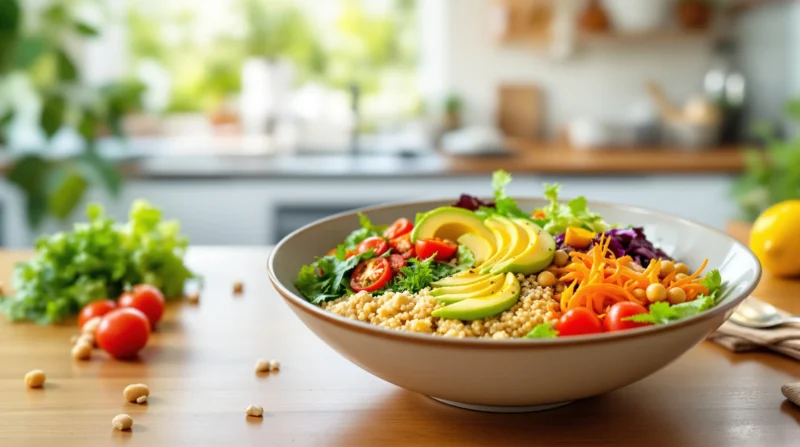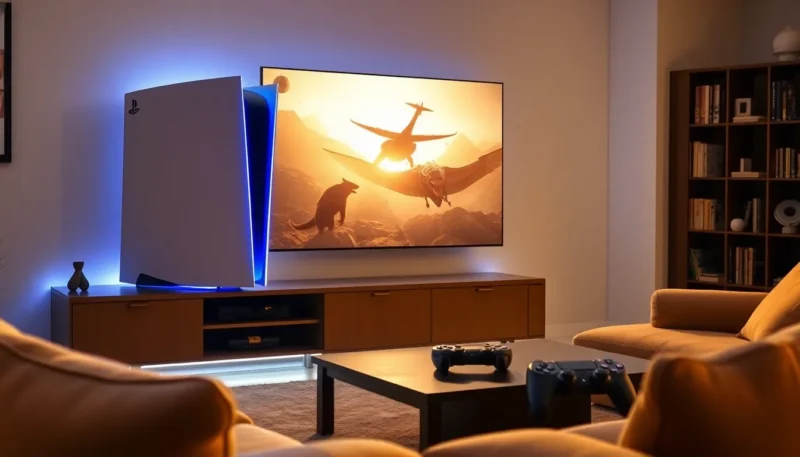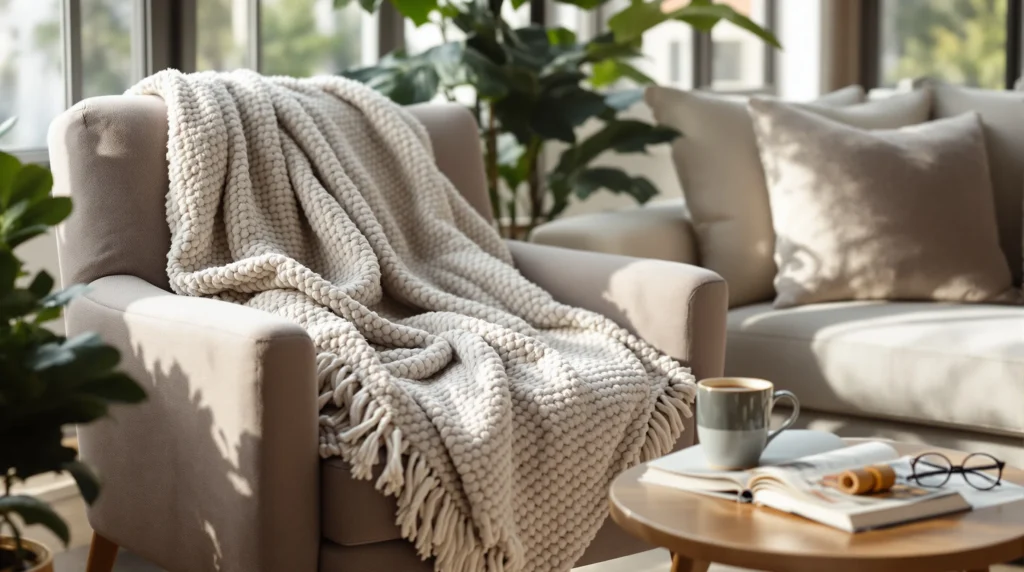
Picture this: You’re scrolling through Instagram, coffee in hand, when a photo stops you cold. It’s not just a product shot—it’s a sunlit kitchen, a half-eaten croissant, and a mug that looks like it belongs in your morning routine. That’s the magic of lifestyle product photography. It’s not about the product alone. It’s about the life you imagine living with it. If you’ve ever wondered why some brands feel like old friends and others like cold sales pitches, here’s the secret: lifestyle product photography makes you feel something real.
What Is Lifestyle Product Photography?
Lifestyle product photography shows products in real-life settings. Instead of a plain white background, you see a cozy living room, a bustling street, or a messy desk. The goal? To help people picture the product in their own lives. If you’ve ever bought a candle because it looked perfect on someone’s nightstand, you’ve felt the pull of lifestyle product photography.
Why It Works
People don’t just buy things—they buy stories. A water bottle on a white background is just plastic. But show it clipped to a backpack on a mountain trail, and suddenly it’s adventure, freedom, and fresh air. Lifestyle product photography taps into our dreams and daily routines. It’s the difference between “I need this” and “I want this.”
Who Needs Lifestyle Product Photography?
If you sell anything people use in daily life—clothes, home goods, tech, food—lifestyle product photography is for you. It’s not just for big brands. Small businesses, Etsy shops, and even personal brands can use it to stand out. But here’s the part nobody tells you: it’s not for everyone. If your product is strictly functional or used in industrial settings, lifestyle shots might feel forced. Know your audience. If they crave inspiration, lifestyle product photography delivers.
How to Capture the Essence of Everyday Style
Let’s break it down. Great lifestyle product photography isn’t about expensive gear or perfect models. It’s about telling a story your audience wants to join. Here’s how to get started:
1. Start with a Story
Before you pick up your camera, ask: What moment am I capturing? Is it a lazy Sunday morning, a quick lunch break, or a wild road trip? The more specific, the better. For example, instead of “a woman wearing a scarf,” try “a woman laughing with friends at a fall picnic, scarf tossed over her shoulder.” Details make the difference.
2. Use Real Settings
Skip the studio. Shoot in real homes, parks, or cafes. Natural light beats harsh flashes every time. If you’re photographing a kitchen gadget, show it in a real kitchen—crumbs and all. Authenticity matters. People spot fake setups a mile away.
3. Show the Product in Action
Don’t just place the product in the scene—use it. If you’re shooting sneakers, show someone tying the laces before a run. If it’s a planner, capture a hand jotting down a to-do list. Action brings energy and makes the product feel essential.
4. Focus on Details
Zoom in on textures, colors, and tiny moments. The steam rising from a mug, the sunlight on a watch face, the crinkle of a paper bag. These micro-moments make lifestyle product photography feel alive. They invite viewers to imagine the scene with all their senses.
5. Keep It Real
Here’s why: Perfection is boring. A slightly messy bed, a half-eaten cookie, a crooked picture frame—these details make photos relatable. If you’ve ever felt pressure to make everything look flawless, relax. Real life is messy, and that’s what draws people in.
Common Mistakes (And What to Do Instead)
- Stiff Poses: If your model looks uncomfortable, so will your audience. Encourage movement and laughter. Play music. Tell jokes. Capture candid moments.
- Over-editing: Heavy filters and unnatural colors kill authenticity. Stick to natural tones and gentle edits. Let the product and setting shine.
- Ignoring the Product: Don’t let the scene overpower the product. Make sure it’s always the hero, even in a busy shot.
- Forgetting the Brand: Every photo should feel like your brand. If you’re playful, show it. If you’re minimalist, keep it clean. Consistency builds trust.
Tips for DIY Lifestyle Product Photography
You don’t need a fancy camera. Your phone works if you use it well. Here are some quick wins:
- Use Natural Light: Shoot near windows or outside. Avoid harsh midday sun—early morning or late afternoon is best.
- Plan Your Props: Choose props that make sense. If you’re shooting a coffee mug, add a book, a cozy blanket, or a plate of cookies. But don’t clutter the scene.
- Tell a Mini-Story: Every shot should hint at a bigger moment. What happened before? What’s about to happen?
- Edit Lightly: Use apps like Lightroom or VSCO to tweak brightness and color. Keep it subtle.
- Practice, Review, Repeat: Take lots of photos. Review them. Ask friends for feedback. The more you shoot, the better you get.
What Makes Lifestyle Product Photography Stand Out?
Here’s the part nobody tells you: It’s not about the product. It’s about the feeling. The best lifestyle product photography makes you want to step into the photo. It’s the difference between “That’s nice” and “I need that in my life.”
Think about the last time you bought something because of a photo. Maybe it was a pair of boots that looked perfect for autumn walks, or a planner that promised a more organized life. The photo didn’t just show the product—it showed the life you wanted.
Final Thoughts: Your Next Steps
If you’re ready to try lifestyle product photography, start small. Pick one product. Plan a simple scene. Use what you have. Don’t worry about perfection—focus on feeling. If you mess up, laugh and try again. Every mistake teaches you something new.
Remember, lifestyle product photography isn’t just about selling. It’s about connecting. It’s about showing people the life they could have, one photo at a time. If you’ve ever wanted your brand to feel more human, this is your chance. Grab your camera, find your story, and start shooting. Your audience is waiting.
About The Author