Table action looks old school, yet the modern version runs on software choices you already care about. The important parts sit under the surface. Random number generation, rule sets, latency, and payout math decide what kind of session you get, even before mood or luck shows up. Treat it like any other product. Check the spec sheet, then decide if it fits.
You also want the right mental model. Each hand or spin resolves into an outcome with a known expectation, and the operator takes a cut through design. Once you see that cut in plain numbers, things become clear. Then you can pick games that match how you like to play, how long you like to sit, and how much variance you can live with.
In some regions, access hinges on payments more than taste, so voucher rails matter. Betway Bucks sits in that lane, since Betway offers voucher options in places like South Africa that can help people fund an account without a bank relationship, depending on what the local cashier network supports. That’s useful for anyone who wants to keep deposits discrete, cap spend by denomination, and still use a mainstream brand with standard compliance checks.
Know what “fair” means in code
A legit digital deal needs a certified random number generator, usually tested by an independent lab under a regulator’s rules. That sounds abstract, yet the idea stays simple: the system must produce outcomes that fit the required distribution, and auditors verify it with statistical testing plus process reviews. When a site lists a lab name, treat it like a driver signing a weighbridge ticket. You still read the label, yet it means somebody else already measured the thing you cannot eyeball.
Live dealer streams change the trust profile, since cameras replace pure simulation. You still rely on software for the interface, shuffles, and settlement, yet the core action happens in a studio with a real shoe, wheel, and human pacing. It can feel like the opening table in Casino Royale, where the room stays calm while the stakes climb, except your “table” sits in a browser and your tell is a buffering icon. If your connection stutters, the product feels worse, so treat bandwidth and device stability as part of the game choice.
House edge is a spec
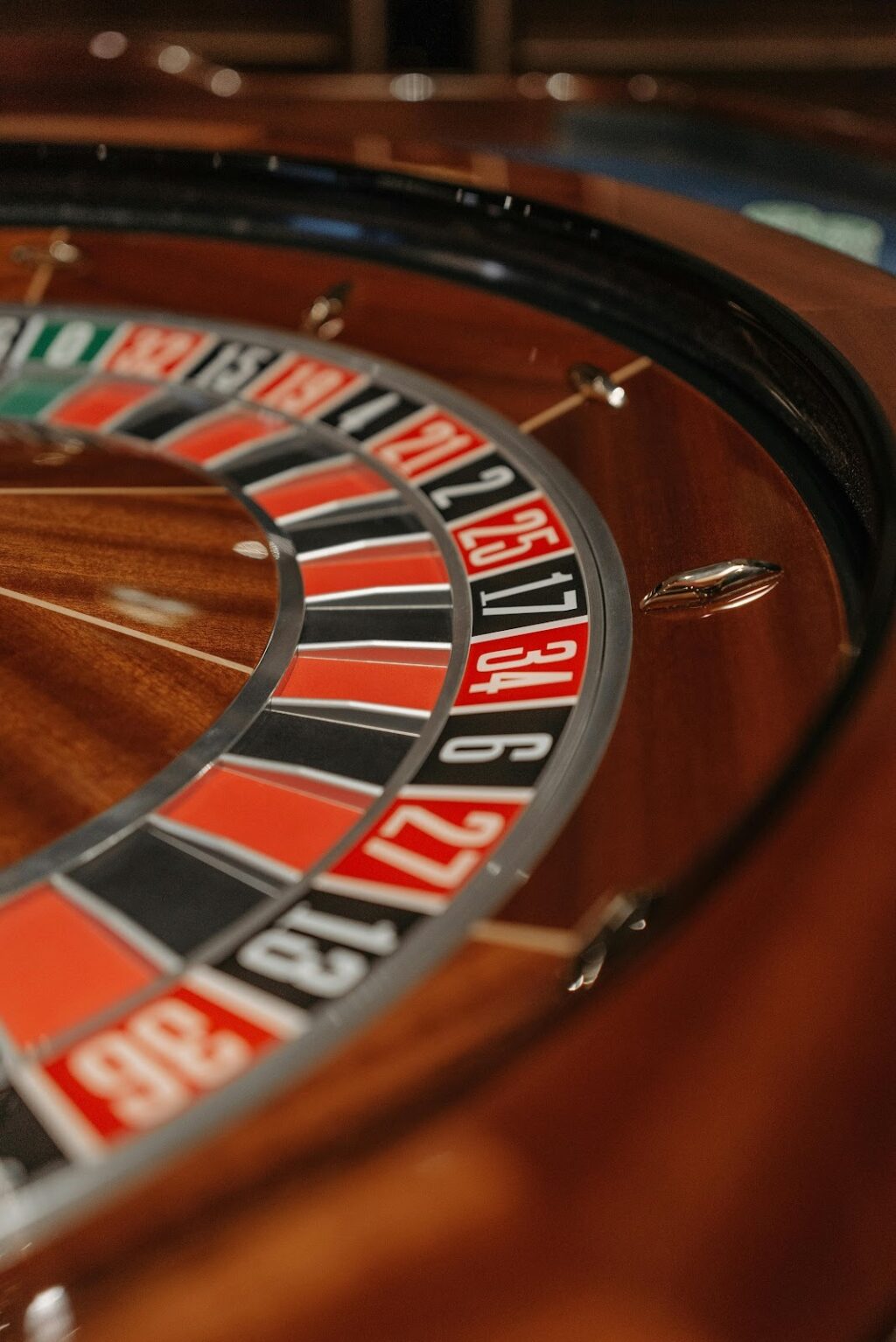
If you like clean numbers, start with roulette because it stays blunt. European wheels carry a 2.70% house edge, while American layouts push 5.26%, and triple zero variants climb again. That difference comes from extra green pockets, so the cut stays baked in no matter how clever a staking pattern looks. When a lobby offers several wheels, pick the one with fewer zeros and you improve the long run expectation without changing your style.
Baccarat stays popular because the math stays tidy and the rhythm stays fast. The Banker wager carries about a 1.06% house edge in common rulesets, while the Player side runs about 1.24%, and the Tie option usually carries the big bite. That’s why seasoned punters treat Tie as a once in a while thrill. The key is to read the payout line for Tie, since 8 to 1 and 9 to 1 lead to very different expectation.
Blackjack looks simple until rules matter. Deck count, dealer hit or stand on soft 17, doubling options, and split limits shift the edge. With strong basic decisions and favourable rules, many guides put the house edge under 0.5%, while looser play or harsher rules lift it. Tech minded users can treat basic strategy like a small algorithm: input hand, input dealer upcard, output action. That mindset keeps emotion out of the click.
Speed, variance, and lifestyle fit
Some people want long, social sessions that sit alongside dinner plans, gym runs, and the rest of a week that never fully slows. Others want a sharp twenty minutes, then out. Table formats map to that. Roulette and baccarat can run quick, with short decision loops. Blackjack slows a bit because choices add friction, yet that friction can feel satisfying when you like control and you like learning a system.
Variance matters for lifestyle, too, because it decides mood swing risk. Even money bets on roulette feel steadier than chasing long shots, while side bets in many offerings behave like small lotteries. If you keep sessions fun, pick stakes that let you ride a downswing without feeling pressed, and avoid options with giant volatility unless you actively want that ride.
Practical checks before a single hand
Start with licensing, then testing, then rules, then payments, then tools. A regulated operator will publish licence details and usually links to responsible play features, including deposit limits and time reminders. On the game itself, read the rule card and look for the numbers that move expectation: zeros on wheels, Tie payout, blackjack pays 3 to 2 versus 6 to 5, and any “special” variant that tweaks payouts for speed.
On the tech side, watch for latency and interface clarity. A good UI shows bet confirmation, remaining time, and clear settlement logs. If you cannot tell what you just placed, you cannot audit your own play. That’s the same logic you use with any fintech screen: you want clear state, clear history, and no surprises.
If you treat table play as a piece of software plus a slice of theatre, you make better choices. Pick the variant with the cleaner math. Pick the format that fits your time. Keep the stakes small enough that the session continues to feel like a regular session.
About The Author